Source Window Cleaning Squeegee for Home, Car, and Office
Explore 30 window cleaning squeegee options featuring plastic blades, metal handles, and replaceable rubber parts. Compare models like WS001 and OW002 for glass and car use, noting customization and eco-friendly designs; compare the available evidence and request quotations based on your requirements.
Key considerations
Products List




Comprehensive Sourcing Guide
Window Cleaning Squeegee Sourcing Guide
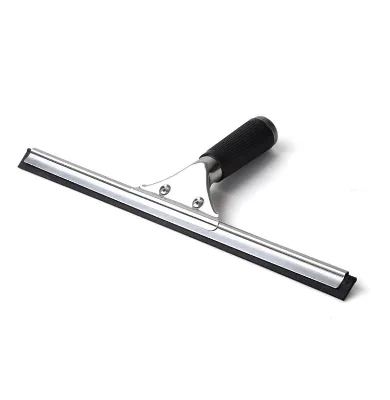
Buyers must first distinguish between the diverse product configurations available in the current market, as the observed listings reveal significant variation in blade materials and handle construction. While some units feature plastic blades designed for general surface wiping, others utilize rubber blades that are explicitly replaceable to extend the product lifecycle. The handle materials also vary, with metal options appearing alongside other constructions, requiring the procurement team to align the physical build with the intended cleaning intensity and frequency.
The observed product range includes specific models like WS001 and PS2403, which cater to different operational needs such as window cleaning or car detailing. Some listings highlight features like integrated sprayers or sponge styles, indicating a need to verify if the specific model supports the required workflow. Procurement decisions should be driven by these distinct attributes rather than assuming a uniform product standard across all suppliers offering window cleaning squeegees.
Product Scope and Observed Listing Signals
The market data indicates a wide price range from 0.2 to 15 USD, suggesting that cost is heavily influenced by material quality and specific feature sets like replaceable blades or sprayer integration. Buyers should note that the minimum order quantities vary drastically, ranging from single units to 5000 pieces, which impacts the feasibility of small-batch testing versus large-scale distribution. Understanding these commercial signals is essential for budgeting and determining the appropriate supplier tier for the specific procurement volume.
Packaging standards also differ significantly, with some suppliers offering cartons containing 24 pieces while others specify 100 pieces per carton or individual plastic bagging. This variation affects logistics planning and storage requirements, as the physical dimensions of the packed goods, such as 602015cm cartons, must be accounted for in freight calculations. Buyers must verify the exact packing details for each model to ensure the shipping method aligns with the product's physical presentation and protection needs.
Technical Specifications to Verify
Verification of blade dimensions and standard sizes is critical, as the observed data lists specific measurements like 19cm, 25cm, and 30cm, alongside head sizes of 8 inches and 10 inches. Procurement teams must confirm that the selected model matches the required cleaning width for the target application, whether it is for large glass panes or smaller automotive windows. Relying on generic descriptions without confirming the exact standard size can lead to operational inefficiencies and mismatched inventory.
Handle compatibility and material durability are equally important technical factors, with some models explicitly designed to fit long handles or constructed from stainless steel for enhanced longevity. Buyers should inspect the connection points between the blade and handle to ensure they can withstand the mechanical stress of repeated use. Additionally, the presence of specific features like sponge styles or manual operation modes must be validated against the intended user interface to guarantee ergonomic suitability.
Compliance and Safety Documentation
While specific certification data is limited in the provided context, buyers should prioritize suppliers who can demonstrate adherence to relevant safety standards for products used in commercial and residential environments. The observation of "Eco-Friendly" attributes suggests a potential market trend toward sustainable materials, but this claim requires verification through official documentation rather than relying solely on marketing labels. Ensuring that the materials used, such as the plastic or metal components, meet local safety regulations is a fundamental step in the compliance process.
Documentation regarding the origin of the product, such as the noted locations in Guangdong or Zhejiang, China, should be cross-referenced with import regulations and trade compliance requirements. Buyers must request proof of origin and any applicable material safety data sheets to mitigate risks associated with non-compliant imports. Without explicit certification data in the listing, the procurement strategy must include a rigorous request for third-party testing reports to validate the safety and quality of the squeegee components.
Cost Drivers and Commercial Terms
The total cost of ownership is influenced by the availability of customization options, which are listed as available for many models, allowing for branding or specific design modifications. However, these customizations often come with higher minimum order quantities, such as the observed 300-piece threshold for certain items, which can significantly impact the initial capital outlay. Buyers need to balance the desire for unique product features against the financial constraints imposed by these volume requirements.
Supply ability and lead times are also key commercial variables, with some suppliers indicating a capacity of 1000 pieces per day, while others may have different production schedules. The port of dispatch, noted as Ningbo or Shanghai, affects shipping costs and delivery timelines, which must be factored into the overall procurement budget. Understanding these logistical constraints helps in negotiating favorable terms and ensuring that the supply chain remains resilient against potential delays.
Supplier Qualification and Quality Control
Assessing the supplier's production capacity and quality control processes is essential, especially given the variation in product models like JA3098 and SW0401 which may come from different manufacturing lines. Buyers should verify the supplier's ability to maintain consistent quality across batches, particularly when dealing with complex features like replaceable rubber blades or integrated sprayers. A robust quality control system ensures that the final product meets the specified standards and performs reliably in the field.
The brand name "saobawang" and other specific identifiers suggest that some suppliers have established reputations, but buyers should not rely solely on brand recognition without independent verification. It is crucial to conduct on-site audits or request detailed quality assurance reports to confirm that the manufacturing processes align with the promised specifications. This due diligence helps in selecting partners who can consistently deliver high-quality window cleaning squeegees that meet the buyer's rigorous standards.
Long-Term Procurement Checks
Establishing a framework for ongoing performance monitoring is vital to ensure that the squeegees continue to meet operational needs over time. Buyers should track the durability of the rubber blades and the structural integrity of the handles to identify any recurring quality issues that may require supplier intervention. Regular feedback loops with the end-users can provide valuable insights into product performance, allowing for timely adjustments to the procurement strategy.
Long-term relationships with suppliers should be built on clear communication regarding future demand fluctuations and potential product updates. As the market evolves, suppliers may introduce new models or improvements, such as enhanced eco-friendly materials or updated handle designs, which buyers should be prepared to adopt. Maintaining a flexible procurement approach ensures that the organization can adapt to changing market conditions while securing a reliable supply of high-quality window cleaning tools.
FAQs
What materials are used for window cleaning squeegee blades?
The blades are primarily made from plastic, as observed in the product specifications. This material choice ensures durability and effective water removal during cleaning tasks. Some models feature rubber blades that are replaceable, allowing for extended product life and consistent performance. The combination of plastic and rubber components supports efficient maintenance and reliable operation for various glass surfaces.
Can the squeegee handle be customized or replaced?
Yes, customization is available for these window cleaning squeegees. The brush handles are constructed from metal, providing sturdy support for the cleaning head. Certain models are designed to fit long handles, offering flexibility for different user preferences and cleaning heights. This adaptability allows buyers to select configurations that best suit their specific operational needs and ergonomic requirements.
What are the standard sizes for window cleaning squeegees?
Standard sizes vary by model, including options like 19cm, 25cm, 30cm, 35cm, and 45cm. Some specific models offer head sizes of 8 inches or 10 inches. Larger variants may reach up to 22 inches or 30 inches. These diverse dimensions allow users to choose the appropriate tool for different window sizes, ensuring efficient coverage and ease of use for both residential and commercial cleaning applications.
How are window cleaning squeegees packaged for shipment?
Packaging methods include cartons, plastic bags, and individual carton units. Typical packing details show 24 pieces per carton or 100 pieces packed in one carton. This standardized packaging ensures safe transport and efficient storage. The use of cartons and plastic bags protects the squeegees from damage during logistics, maintaining product quality until they reach the end user or distributor for immediate use.
Where are these window cleaning squeegees manufactured?
These products originate from China, specifically from regions like Guangdong and Zhejiang. The manufacturing locations are identified as key sourcing hubs for these cleaning tools. This geographic origin supports the supply chain logistics, with dispatch ports including Ningbo and Shanghai. Buyers can leverage this established manufacturing base to access a wide range of squeegee models with consistent quality and reliable production capabilities.
What features make these squeegees easy to clean?
The squeegees are designed with features that make them easily cleaned. The sponge style and multicolor options add to their visual appeal while maintaining functionality. The rubber blade design allows for simple maintenance, ensuring that dirt and residue do not accumulate. These practical features help users keep the tool in optimal condition, extending its lifespan and ensuring consistent cleaning performance for glass and window surfaces.